Midlands on the Move: Carl Staples storyboard artist
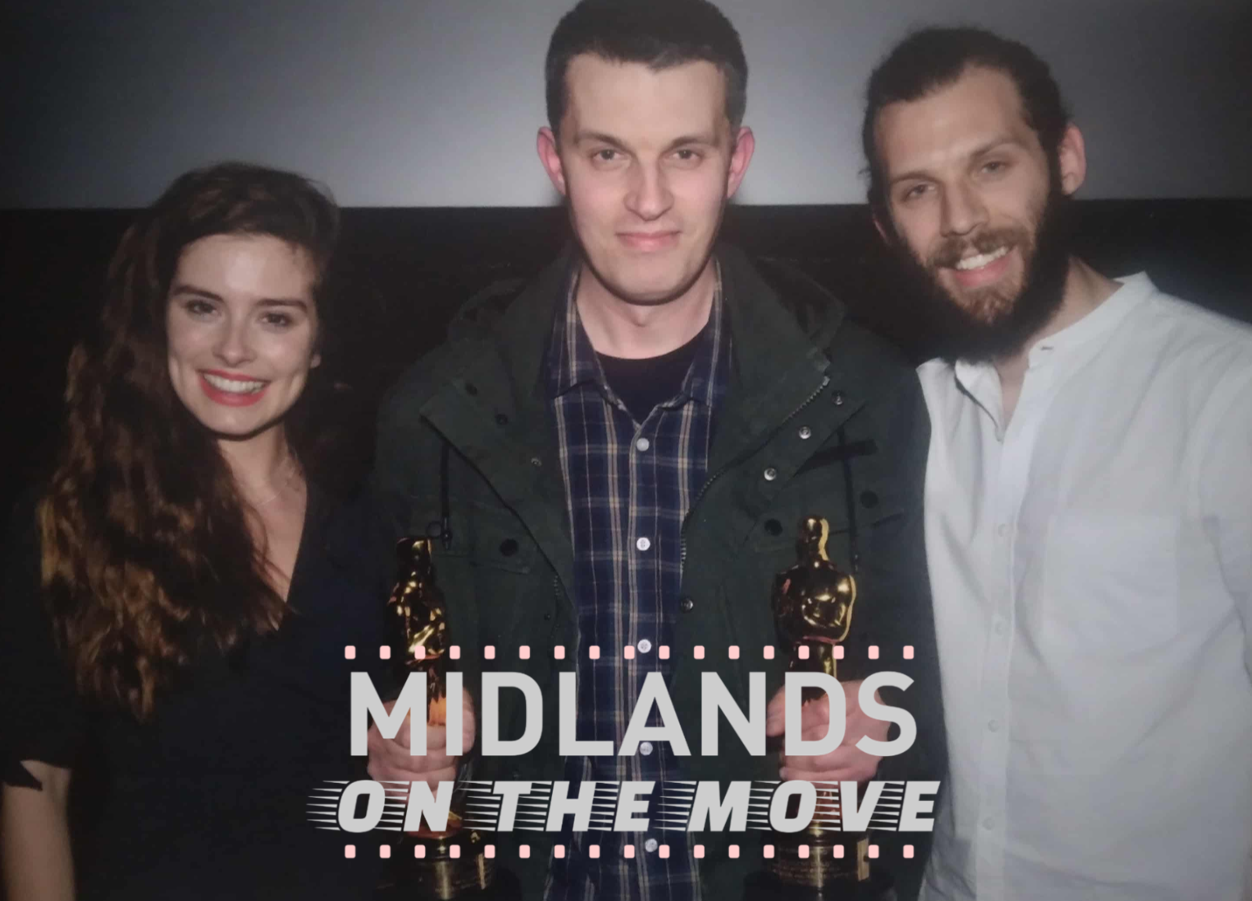
As part of our Midlands on the Move features, we speak to Carl Staples, a Midlands storyboarder and filmmaker with a wide range of regional experience and we found out more about Carl's work, his experience in the Midlands and what he's taken with him as his career developed...
Midlands Movies: Hi Carl, can you tell our readers a bit about yourself and your role in the film industry?
Carl Staples: I have always loved films. My mother is a fan of Alfred Hitchcock and I began to love films from an early age. In the 80s the cinema was dominated by epics so there was no shortage of inspiration, and I would find escape in the movies. In the mid-nineties I enrolled in Media Studies and learned the processes of writing and storyboarding, editing and sound design. By 2002 I continued (and still do) to balance my day job interspersed with script writing and storyboarding for Independent filmmakers and Staffordshire University student films. It is here I was first aware of "The Silent Child." that was in development.
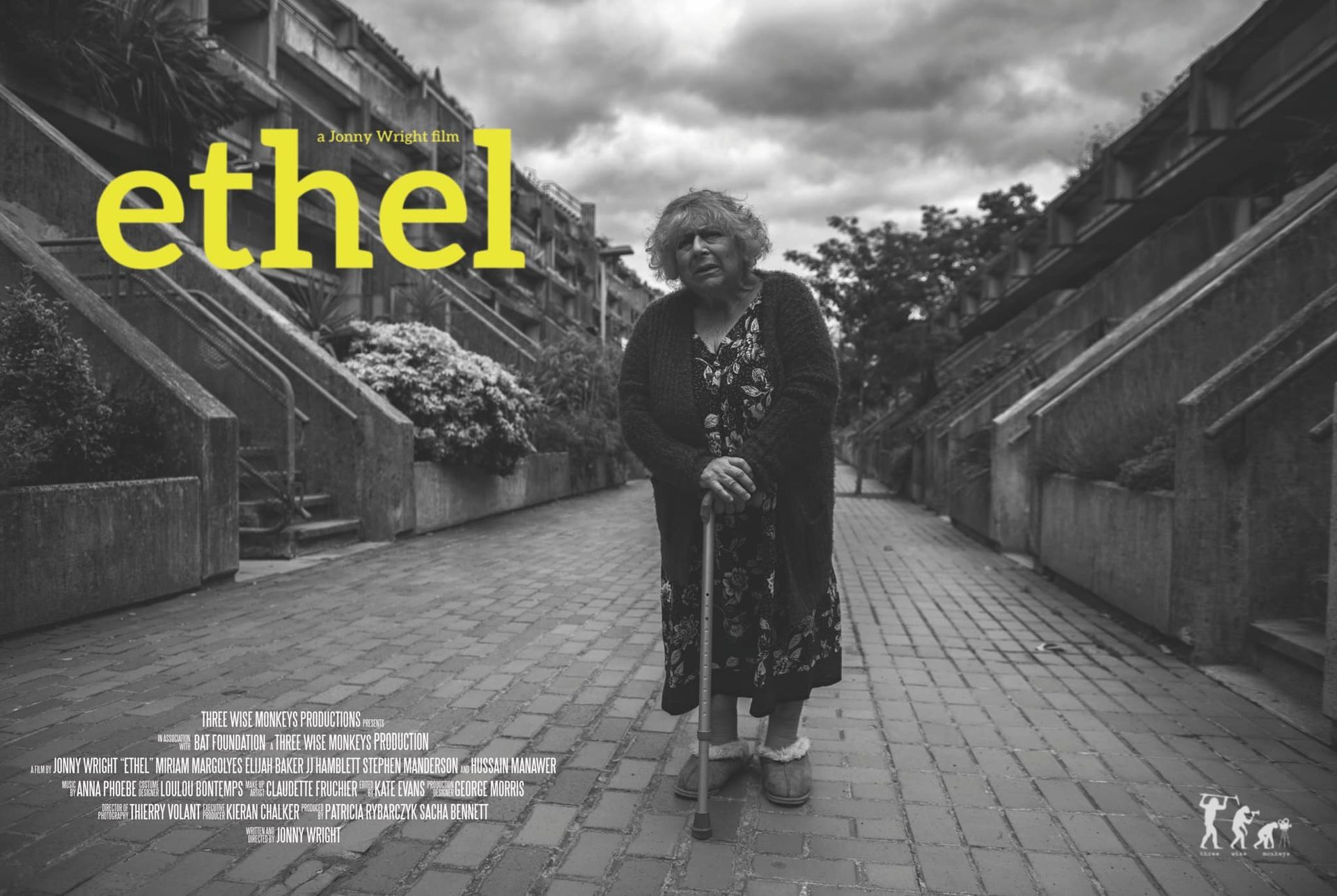
Following this I worked as storyboarder on the short film "Ethel", a dementia drama set in London. Written and directed by Jonathan Wright, it starred Miriam Margolyes as the lead. And so both The Silent Child and Ethel tackle very resonant subjects. Most recently, I worked with Misty Moon Films in London who offered me a chance to write and storyboard a short thriller that became "Served". I will be indebted to them for a chance to write for the prominent actors the got on board.
MM: And what sort of projects have you tackled in the Midlands?
CS: As a storyboarder I collaborated with Midlands filmmaker Harrington Day on his short drama film "Leaving Smith's Pond" and "Ma" a short film for former Staffordshire University student Jack Burney.
MM: So, other than a flair for art, what sort of skills would Midlands creatives need to do well in the industry as a storyboard artist?
CS: I watch a lot of films, from David Lean's "Lawrence of Arabia" to Michael Mann's "Heat" which use widescreen so well. I am also inspired by paintings and how the frame is used. This stems from viewing Stanley Kubrick's "Barry Lyndon" as a student, in which it took its visual cues from the 17th Century paintings of Hogarth, Gainsborough and Reynolds which were recreated with natural candle light. I also read, and re-read, the scripts to learn fluidity of story. The script will undergo many drafts, and in many cases storyboard work will be discarded. Be open to change, but also know the script material.
MM: I've heard locally that "no budget" local filmmakers can find it a struggle to find artists. What would you suggest they could do?
CS: When I was a college Media Studies student you had to know all the skills from writing to final sound mix. I am still new to the discipline myself. Script writing is the cheapest way to convey ideas and a pencil and pad can take this further to a thumbnail sketch to a concept drawing, or even a host of paintings. Its then you reach out to independent filmmakers with resources who see potential in the script or how you see it visually.
MM: You mentioned you worked on The Silent Child with our 2026 Midlands Movies VIP jury member Rachel Shenton. How did that come about?
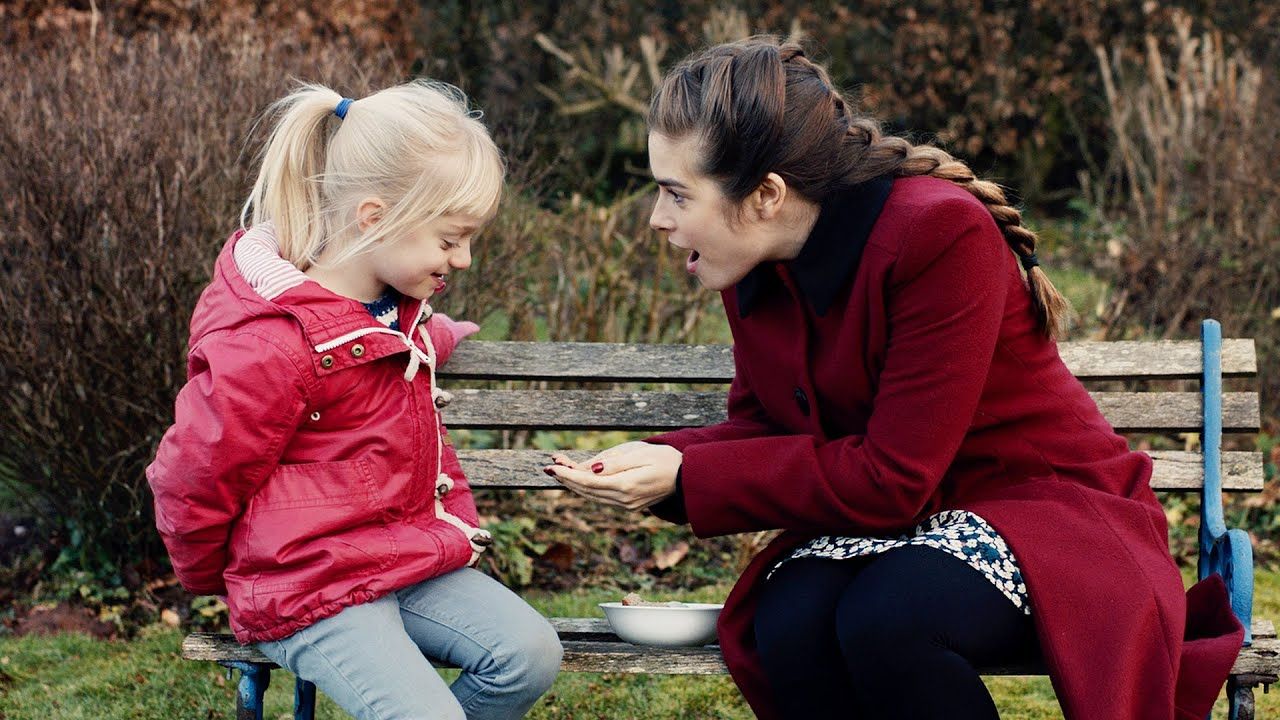
CS: My first knowledge of the film was via local news and I was subsequently invited to a Staffordshire University networking event to meet Rachel Shenton and Chris Overton, and expressed my interest to contribute. It was amazing to see the film develop. The script presented a sensitive story and all the performances, especially Maisie Sly , were very moving. I remain very grateful to Slick Films, Rachel and Chris and the host of producers for including me in a "Special thanks".
MM: What was the process on that particular project?
CS: The speed of production was moving that fast that my work was ultimately not used. However it remained a very important moment as I had begun writing my own work. The storyboard art would also inform my drawing style. Crucially it made me focus on stories that occur in the real world with real people. I will refer back to The Silent Child script as a template. The work on this script gave me confidence to work on the "Ethel" short film.
MM: How did it feel seeing a Midlands(-adjacent) film get so honoured at the Oscars?
CS: It was very exciting to see a film that had a message and to see it embraced not only by the UK, but at the Academy Awards, and honoured so deservedly.
MM: What did you learn from your Midlands projects that you’ve taken forward into UK and global productions?
CS: The Midlands projects have been diverse and challenging. I have made relatively small steps and hope to get a chance to take my scripts overseas. I continue to write short and feature scripts. Short films, and indeed features are often a way to experiment with genre, visuals, structure, be it conventional or unorthodox.
MM: Briefly tell us what’s next on the horizon for you. Anything back in our region?
CS: I am currently completing a script adaption for "Chomp! Charlie Carter and the Monster Pike" for author Dave Rogers. Once completed, I have a desire to adapt Arnold Bennett's "Riceyman Steps". I hope I can generate interest in this particular novel; from the writer of "The Card". I am also writing a dementia drama feature script inspired by my grandparents entitled "All That is Broken is Not Lost". I find it important to keep people guessing as to what genre I write and never repeat myself. I am currently working with another former student , Tom Ratcliffe at Slanted Media on a short film as co-writer and storyboarder too.
MM: Any final thoughts on what Midlands filmmakers (or the filmmaking community) should be aware as they move forward? How can filmmakers learn from your career path in working beyond their Midlands-based projects?
CS: If there is a desire to tell a story that speaks about your own experience, and more importantly allow you to identify with the characters then it is worth telling. I am still finding my feet and in many cases making things up as I go along. My goal is to find like-minded people who would like to collaborate and who see potential in stories. It was great to interpret a variety of scripts visually but also learn how each script was written.
Find out more about Carl's work at
IMDB