Midlands Movies Top 20 Films of 2025 (10-1)
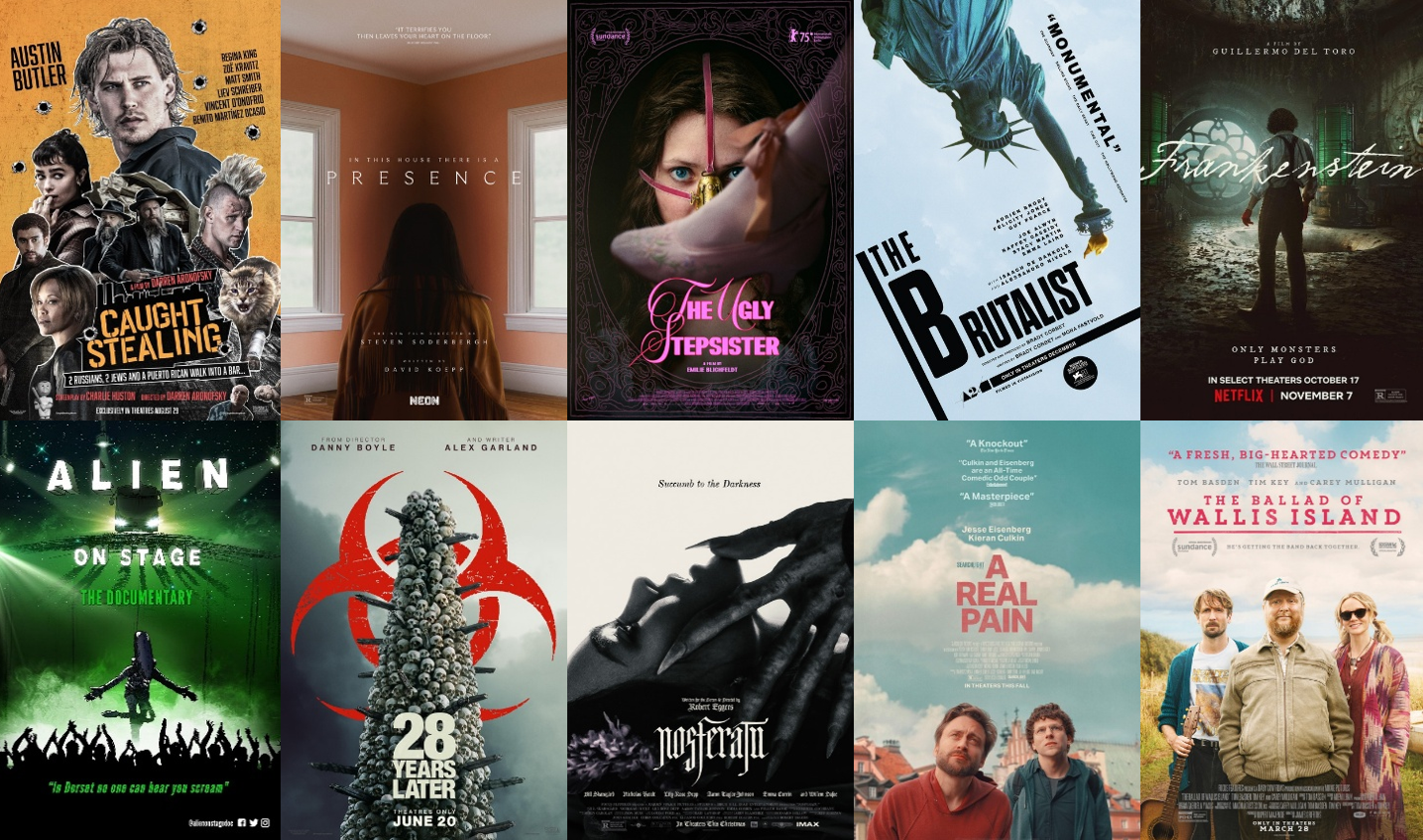
We continue our run-down of our favourite 20 films of 2025 but don't forget to check out part 1 of our list from 20 to 11 by clicking right here.
On with the countdown...
Michael Sales
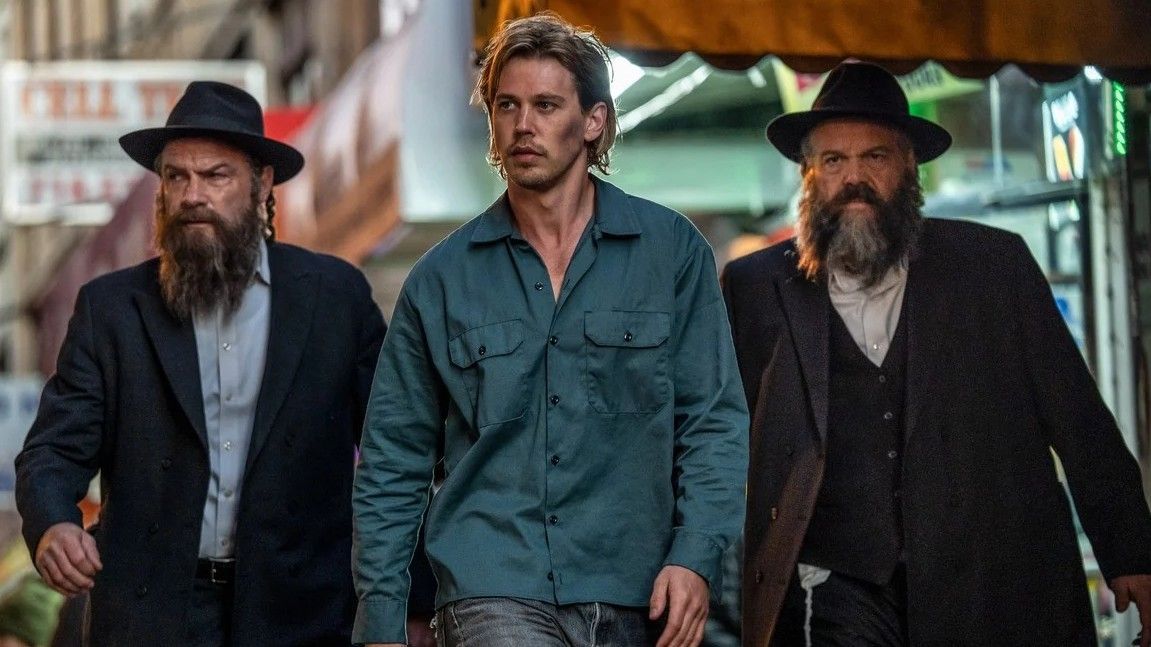
Caught Stealing (Directed by Darren Aronofsky)
With Elvis, Dune and The Bikeriders under his belt, Austin Butler is quite a regular in my best of the year lists and here he gets a starring role in an exciting crime drama as a bartender dragged into a sleazy underworld. Butler’s charm simmers off the screen as a man who faces increasing pressure and nasty violence from a host of savage felons who are trying to track down their money. An unlikely genre exercise from the often high-brow and super-serious Aronofsky, the director brings all his talent for weaving dark tales into something more “friendly” without scrimping on shocking moments and viscous visuals. Excellent support comes from big hitters Regina King, Matt Smith, Zoë Kravitz, Liev Schreiber and Vincent D'Onofrio and there’s plenty of satisfying action and drama alongside great music and a punk sensibility and even a frankly amazing end-credit sequence that’s well worth sticking around for.
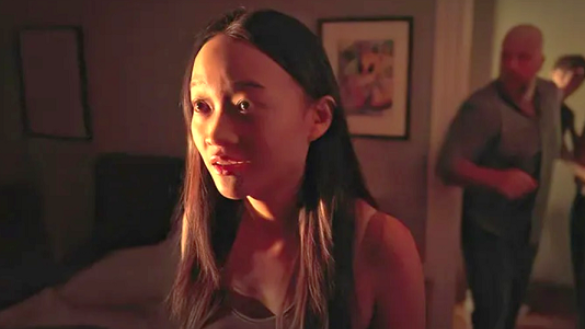
Presence (directed by Steven Soderbergh)
Soderbergh is very much known for his genre-hopping, experimental and frankly quite uneven career but you know you’ll always get something interesting from the prolific director. And here he takes the well-worn concept of a family moving into a haunted house and twists the conceit so we see events unfolding from a ghost’s point-of-view. A whole host of voyeuristic scenes play out and its straightforward family drama is given new context as seen through the spectre’s eyes. Genuine anxiety abounds and it’s the viewing opposite of Paranormal Activity where we try to spot a presence in scenes. Here the tension and unease stems from being “spotted” ourselves as the viewer. A swift 85 minutes is the perfect length so its unique persepctive doesn’t outstay its welcome (somewhat ironically in fact). And although some may accuse it of being one giant gimmick, Soderbergh handles the whole thing so well with clever direction and shot composition, inventive “floating” camerawork and plenty of scary sounds (and silence), that I was creeped out from the very first frame.
The Ugly Stepsister (Directed by Emilie Blichfeld)
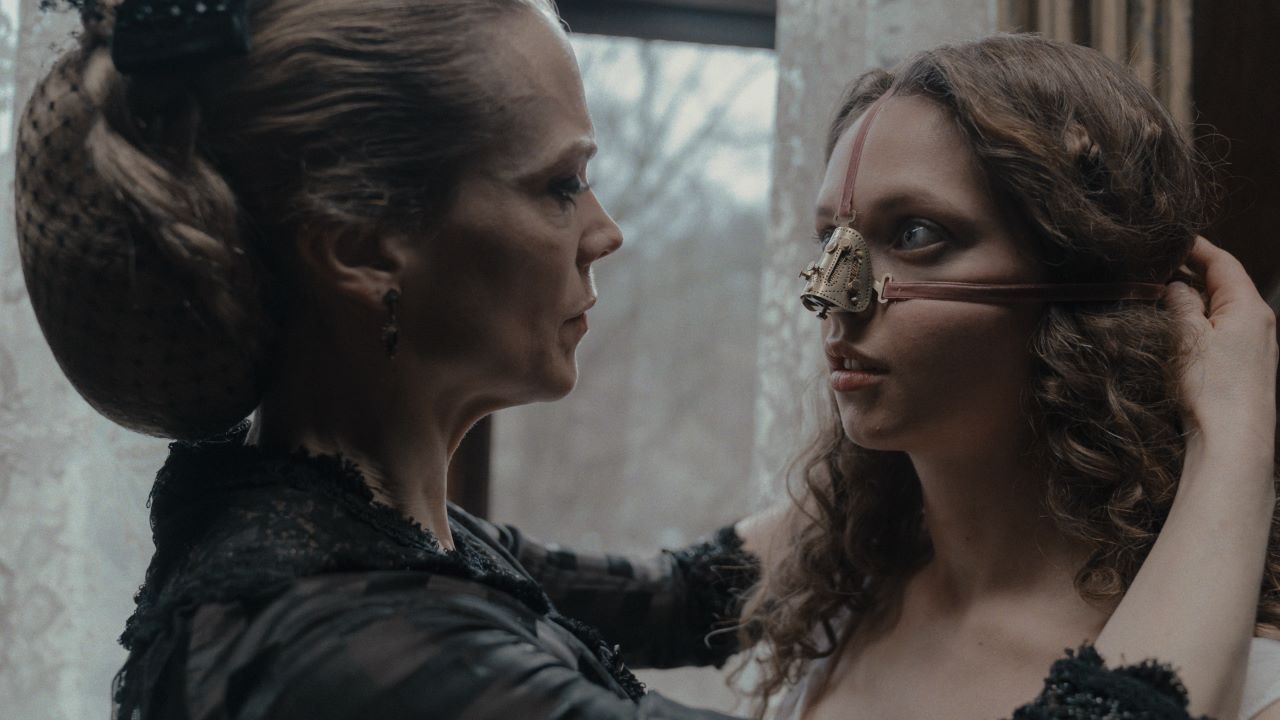
A live action remake of the classic fairy tale Cinderella from the perspective of the villain? What sounds like another yawn-fest Disney “reimagining” turns out to be one of the top horrors of the year. Despite all the iconography being present - a charming prince, a sumptuous ball, a lost shoe - Maleficent and Cruella this is not. Corpses, painful cosmetic surgery and tapeworms (don’t ask) are just a few of the moments that will induce revulsion. But for all the gore and grossness, there’s a very thoughtful and sad period drama underneath. One which explores themes of external beauty, societal hierarchies and the extreme lengths people go to to achieve a semblance of “conventional beauty”. Lea Myren as the lead is a star of the future as she holds together what could be a silly and fanciful diversion, but provides a real empathy to a movie that is not just entertaining, but holds a magic mirror up to a grim fairy tale full of narcissism and nastiness.
The Brutalist (Directed by Brady Corbet)
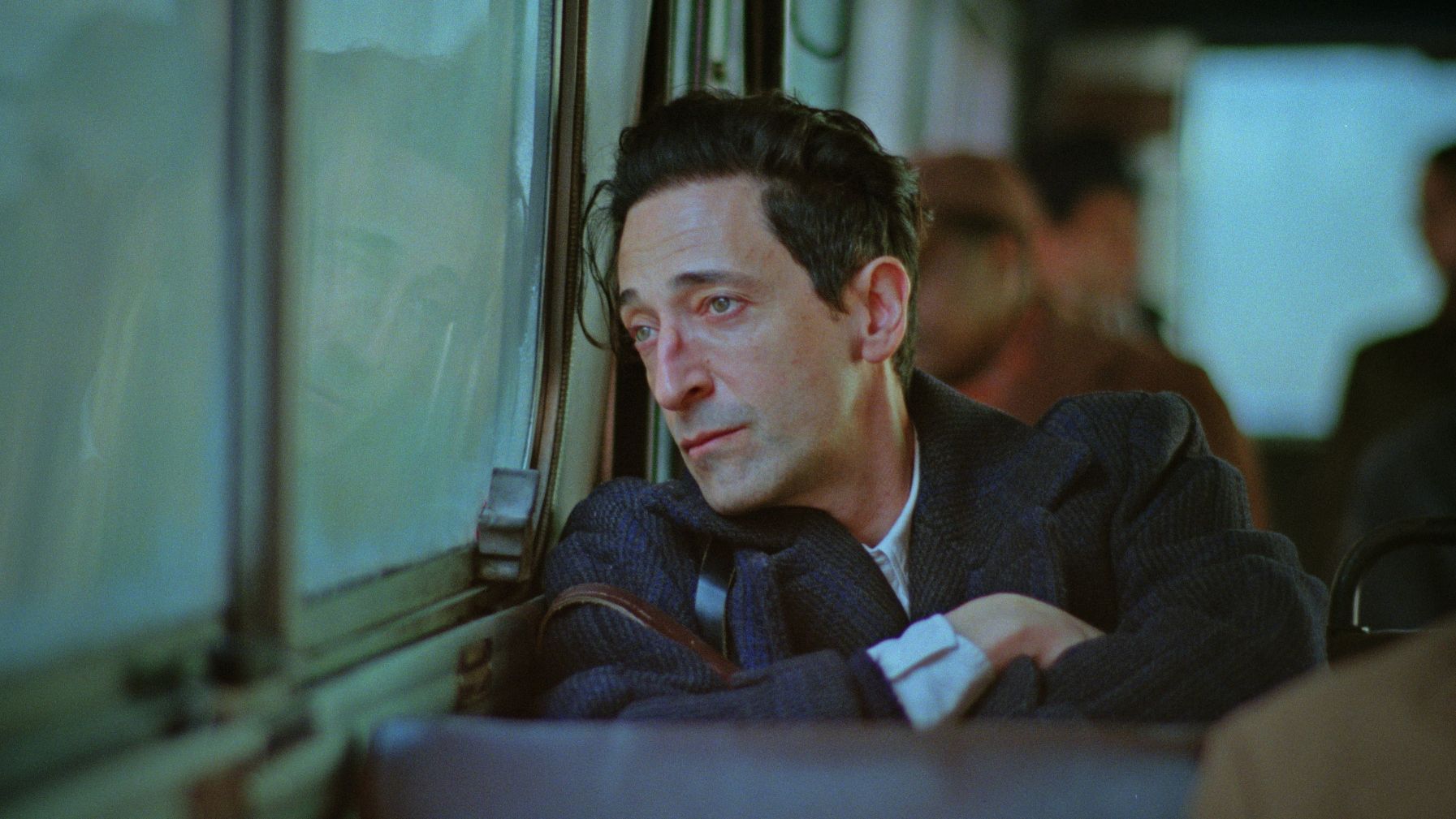
An impressive Adrien Brody lays the foundations of an epic journey as a Jewish-Hungarian architect and Holocaust survivor who emigrates to the USA as he struggles to get his life together. The building blocks of the film see Brody’s character labour on charity housing before a wealthy industrialist tasks the experienced architect with creating a huge new Institute. Battling drug addiction, construction problems and personal and private attacks by Guy Pearce’s vile money-provider, his tenacious obsession is aided by Felicity Jones who provides brilliant support as Brody’s sympathetic but opinionated wife. It’s an “utter unit” of a film - all 215 minutes. And it’s as narratively, thematically and structurally brutal as the film’s title. The Brutalist builds its story piece by piece and strikingly explores everything from the smallest details of architecture to huge issues of the meaning of life, immigration anxiety and the power of legacy.
Frankenstein (Directed by Guillermo Del Toro)
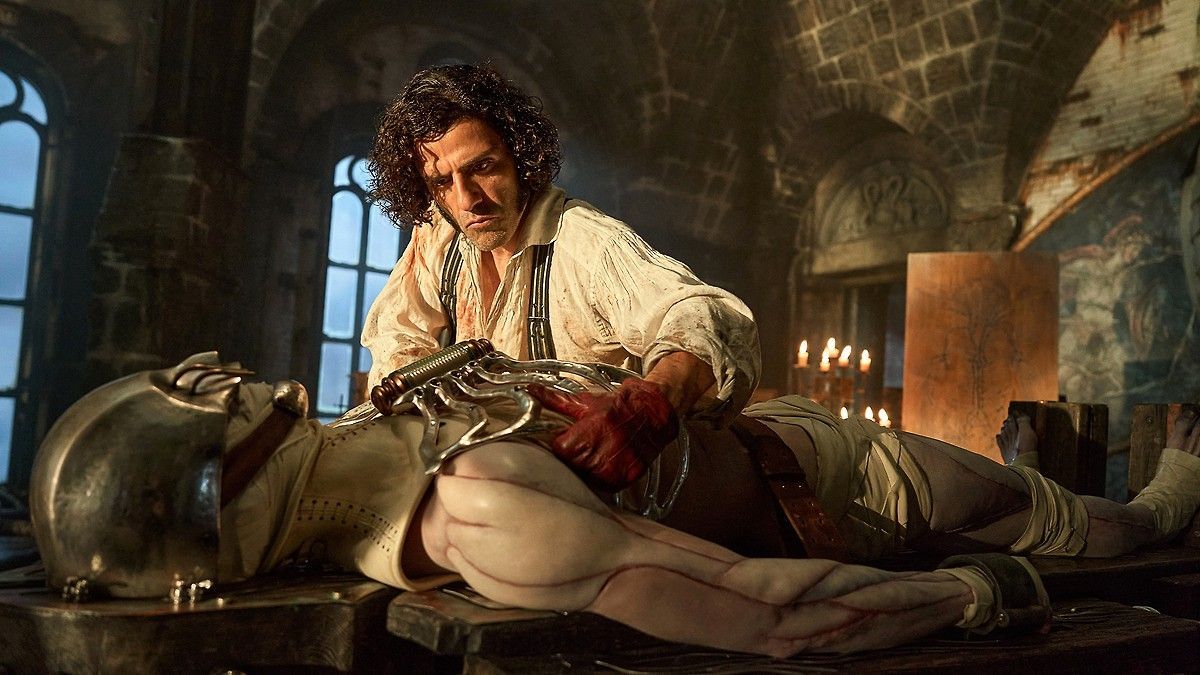
Wonderful gothic horror from the master of gothic horror, Guillermo Del Toro throws all his best attributes at the screen - great casts, inventive production design and visually stunning cinematography - in his pet-project adaptation of Shelley’s classic novel. An always-watchable Oscar Isaac as the doctor is supported by excellent turns from Christoph Waltz, Mia Goth and Charles Dance but it’s Jacob Elordi as the Creature who provides a smorgasbord of scares and terror, but with additional compassion and sensitivity as we see the tale told from multiple perspectives. A satisfying companion piece to this year’s Nosferatu, each film takes extremely different slants with their source material with Eggers’ methodical darkness contrasting with Del Toro’s romanticised extravaganza. But more blockbuster than head scratcher, Del Toro’s Frankenstein is full of entertaining set pieces, from monster fights, explosive firestorms and nauseating yet fascinating body horror. (Oh, and it’s fine to call the monster Frankenstein as he’s the son of the Doctor - don’t you have the same surname as your father?)
Alien on Stage (Directed by Danielle Kummer & Lucy Harvey)
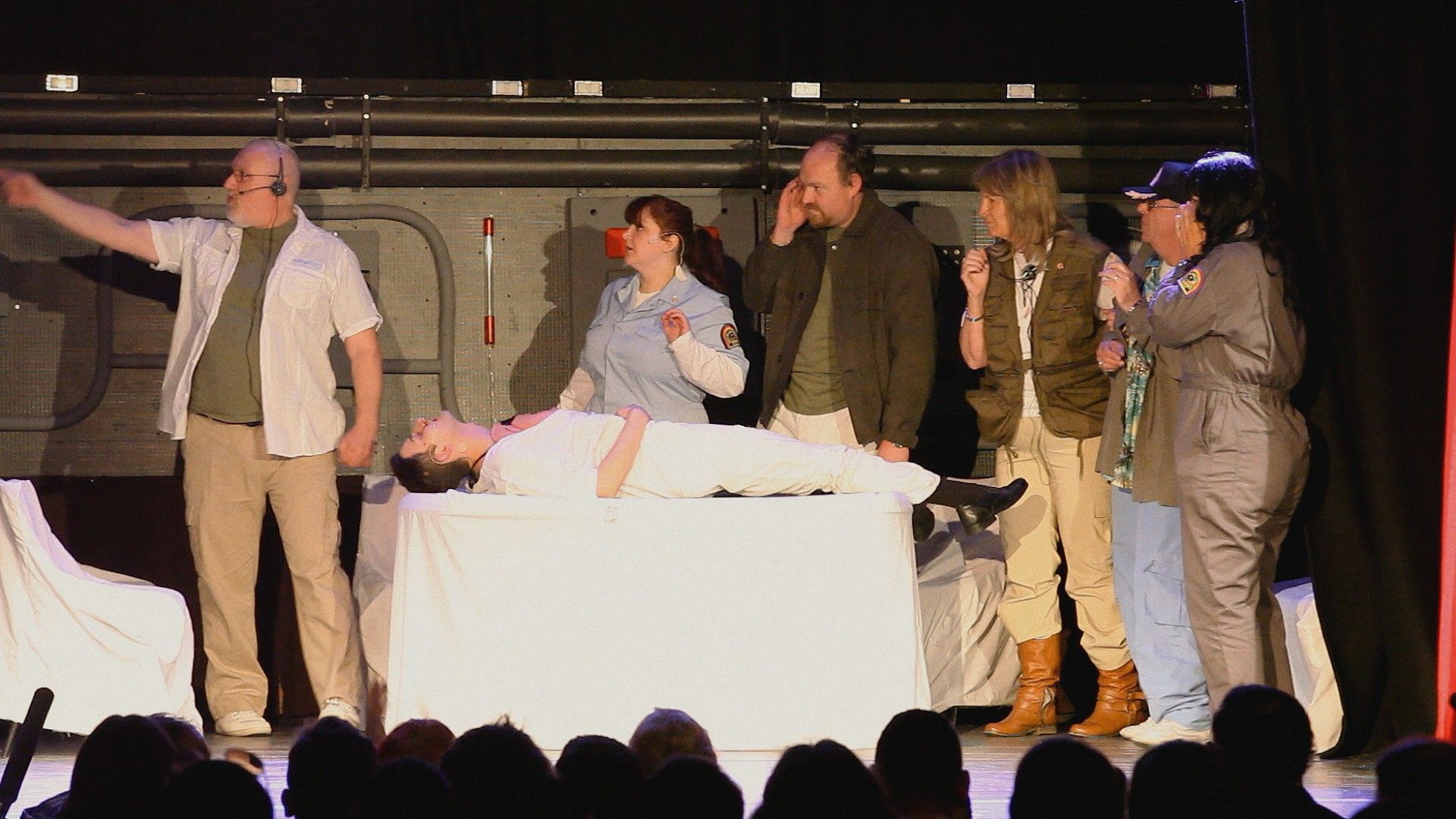
“In Dorset no one can hear you scream”. An hilarious and heartfelt documentary that finally got a full release this year, this documentary follows a group of amateur cast and crew mostly made up of bus drivers from the South West of England who put on their own homemade production of Ridley Scott’s seminal 1979 sci-fi classic. Replacing their annual pantomime(!), the writing, rehearsal and special effects process is covered, as passionate amateurs give their all every step of the way. With both a love for the film, and sometimes utter bewilderment with regards to the task they’ve set themselves, they eventually pull together their show despite the obvious struggles and budget limitations. With a West End finale looming, you’ll be rooting for a successful opening night and I knew the film was working as I cheered when a homemade facehugger was launched at an actor's face. I’ve rarely seen such an uplifting portrait of the creative process (Plus I’d argue it’s far better than a few entries from the real franchise).
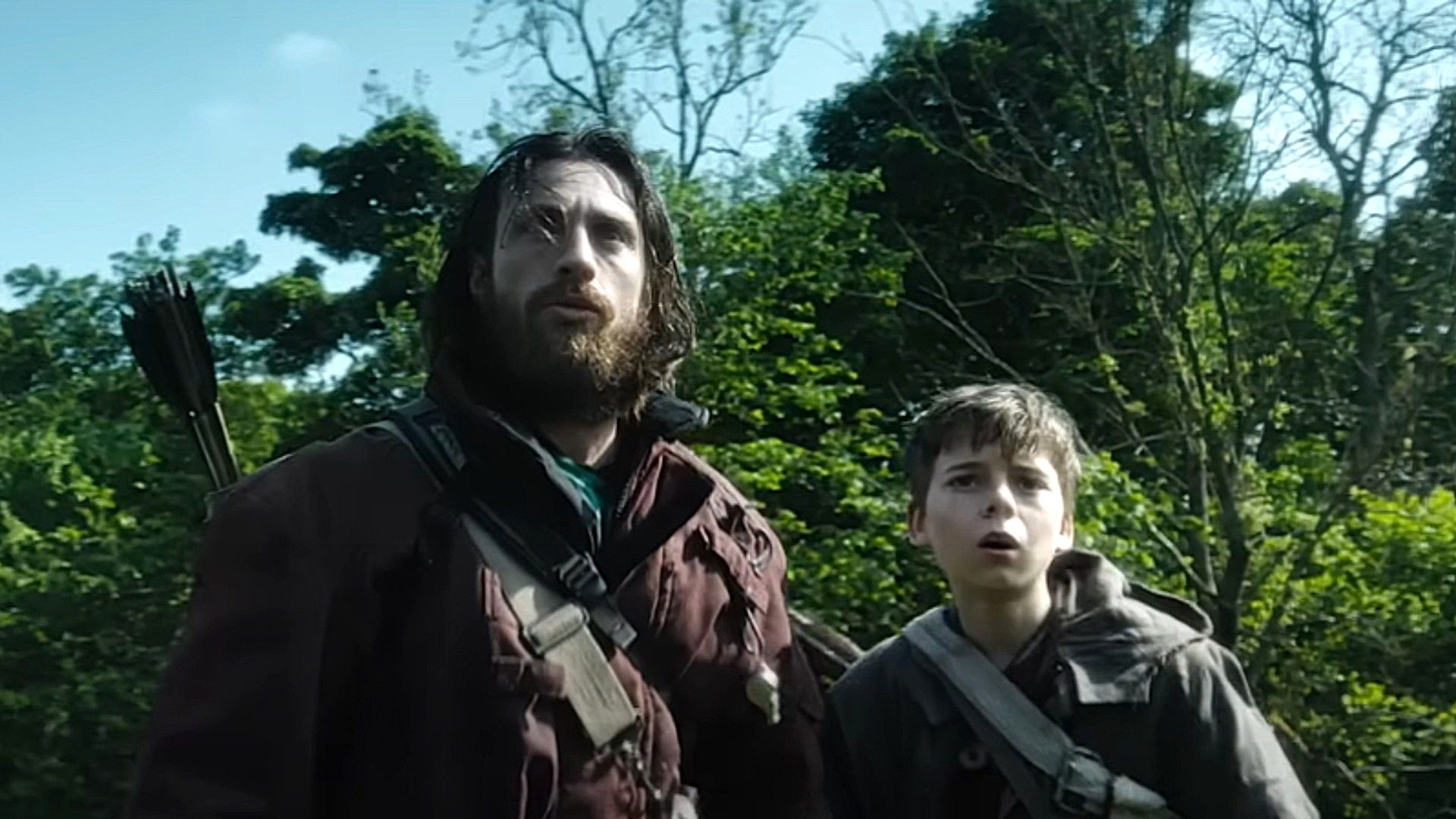
28 Years Later (Directed by Danny Boyle)
Danny Boyle returns to his zombie roots with a legacy sequel that has a bigger budget but still plenty of anarchic, experimental and frankly chaotic themes and violence that directors half his age would be proud of. Reuniting with original writer (and now very successful director himself) Alex Garland, the talented duo provide a thought-provoking survival flick that doesn’t skimp of the gore either. And this is all grounded by terrific turns from Aaron Taylor-Johnson, Jodie Cromer, Ralph Fiennes and especially newcomer Alfie Williams. Tackling life, illness, compassion, warfare, conflict, Covid, politics and much more, it’s stuffed with motifs and ideas that thankfully never overshadow the panic-inducing entertainment and exciting frights.
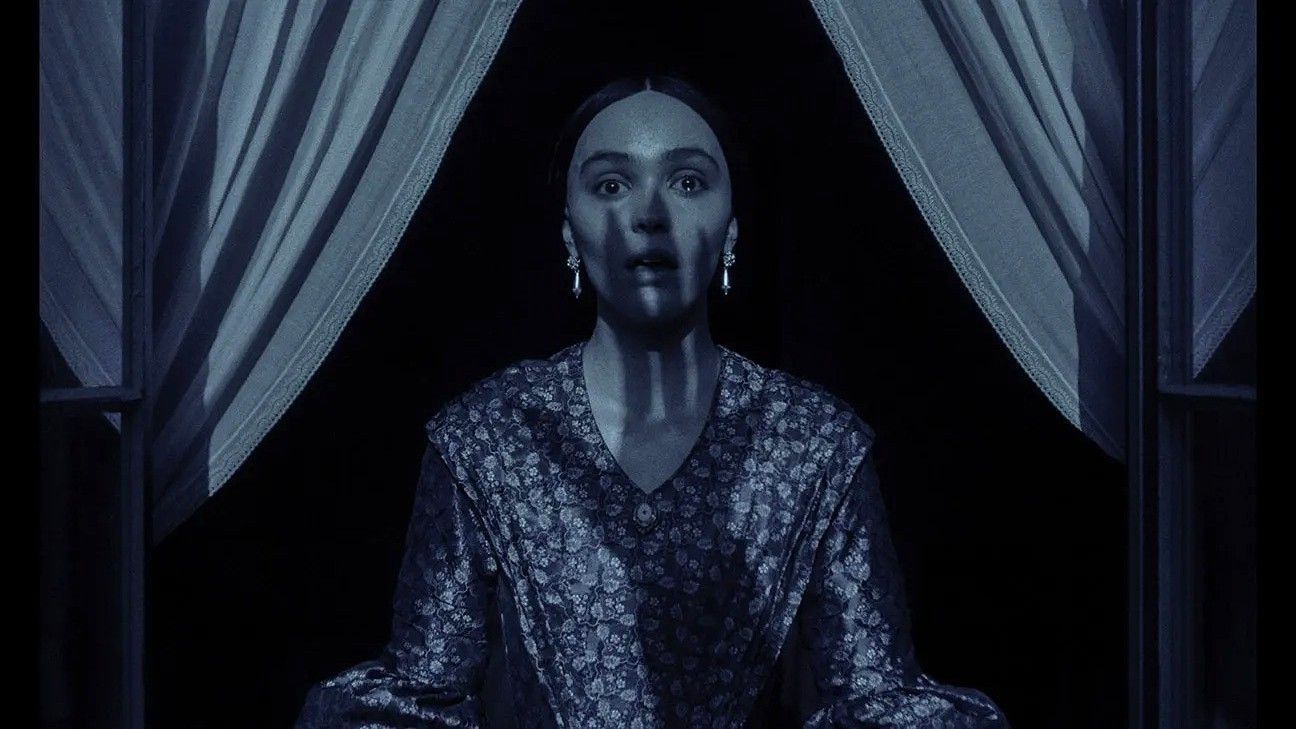
Nosferatu (Directed by Robert Eggers)
Eggers’ edgy take on the Dracula story sucks both the imagery and mythos from all versions of the vampire lord and transforms them into a gothic exploration of sexual mania. With his eclectic cinematic eye, Eggers’ dream-like scenes are drained of colour with the desaturated visuals harking back to the 30s original, whilst a steady Kubrick-style use of camera positioning and Barry Lyndon-esque smoky, candle-lit rooms, gives it a deliberately theatrical quality. And it contains one of the best scores of the year as well, one filled with torturous strings that provide an eerie backdrop for its themes of obsession and romance. The archaic dialogue works well with the symbolic imagery too, and with great sets, lighting and big showy performances, it’s hugely atmospheric and unsettling. In the end, for a story seen so many times on screen, in the skillful shadowy hands of historical connoisseur Eggers, it’s one of the greatest takes on the legend.
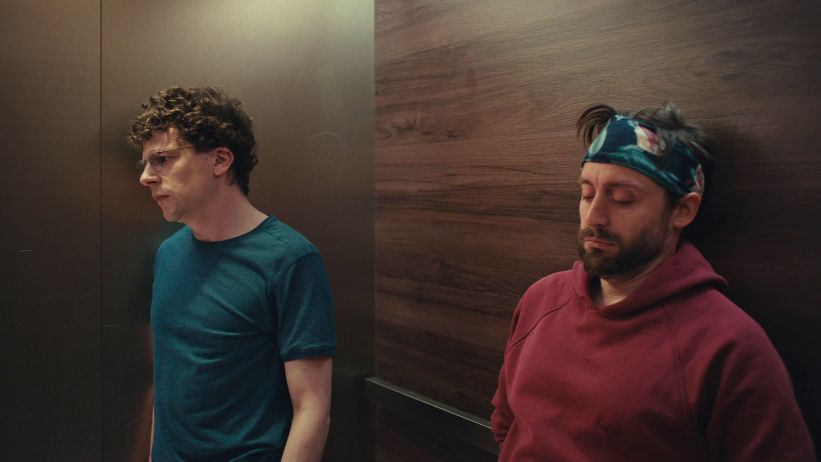
A Real Pain (Directed by Jesse Eisenberg)
Don’t be fooled by the film’s refreshingly direct and rather straightforward structure as A Real Pain hides a multitude of complex personal and historical components within its story of two dissimilar cousins who head to Poland to honour a loved one. Writer-director Jesse Eisenberg plays Benji, who becomes increasingly aggravated by loudmouth Kieran Culkin (in an Oscar-winning turn) whose headstrong vivaciousness antagonises his straight-laced and conforming cousin. Their family conflict creates entertaining, but also thought-provoking, drama as both actors brilliantly portray their differing outlooks on life during their increasingly heated quarrels. The issues are given further depth when they and fellow travellers take tours of concentration camps and other emotional WW2 locations. Yet at its centre, this fantastically well-mannered film balances both large and small issues alongside how the past, present and future of our lives are intrinsically linked together.
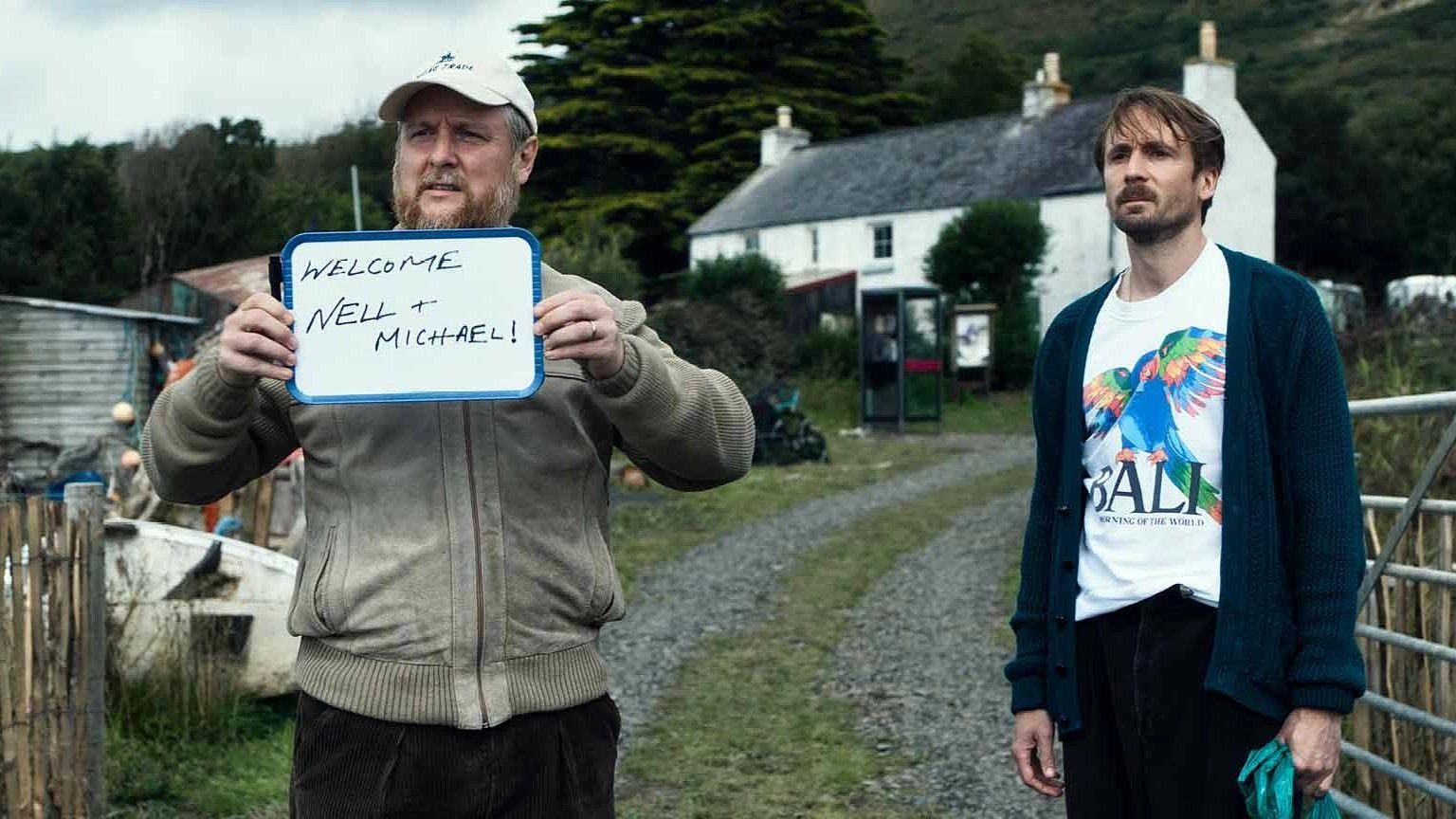
The Ballad of Wallis Island (Directed by James Griffiths)
Tim Key and Tom Basden play a folk music superfan and the artist he wishes to hire for a final gig respectively, in a quaint but powerful film about love, life and loss. Key is phenomenal as the quirky oddball, instilling his witty dialogue with comedic pathos as well as a heartfelt but sometimes awkward affection. And Basden brilliantly explores the dilemmas of the cynical singer-songwriter who is exasperated by his host who has paid him a lot of money to perform a one-off private gig. He's also conflicted over his musical direction with his ex bandmate played by an always wonderful Carey Mulligan, which further adds to the dysfunctional dynamic on an isolated island. A stunningly simple portrait of lost souls, the film delivers brilliant drama, a plethora of laughs and a truly poignant and teary-eyed conclusion.
Michael Sales