
Review of We're All Black Down Here
We’re all Black Down Here
Directed by James William Mellors
2026
Film screened at the Beeston Film Festival in the Midlands
Can you think of at least three films made about mining in the UK? Not just films like Kes (1969) or Brassed Off (1996), which follow miners or mining villages. Instead, think of films that are actually set in the physical mines themselves.
For what used to be the UK’s biggest industry before Thatcher’s decision to close the mines in the 1980s, there seems to be a lack of films made exploring them. This is one of the reasons why We’re all Black Down Here works so effectively.
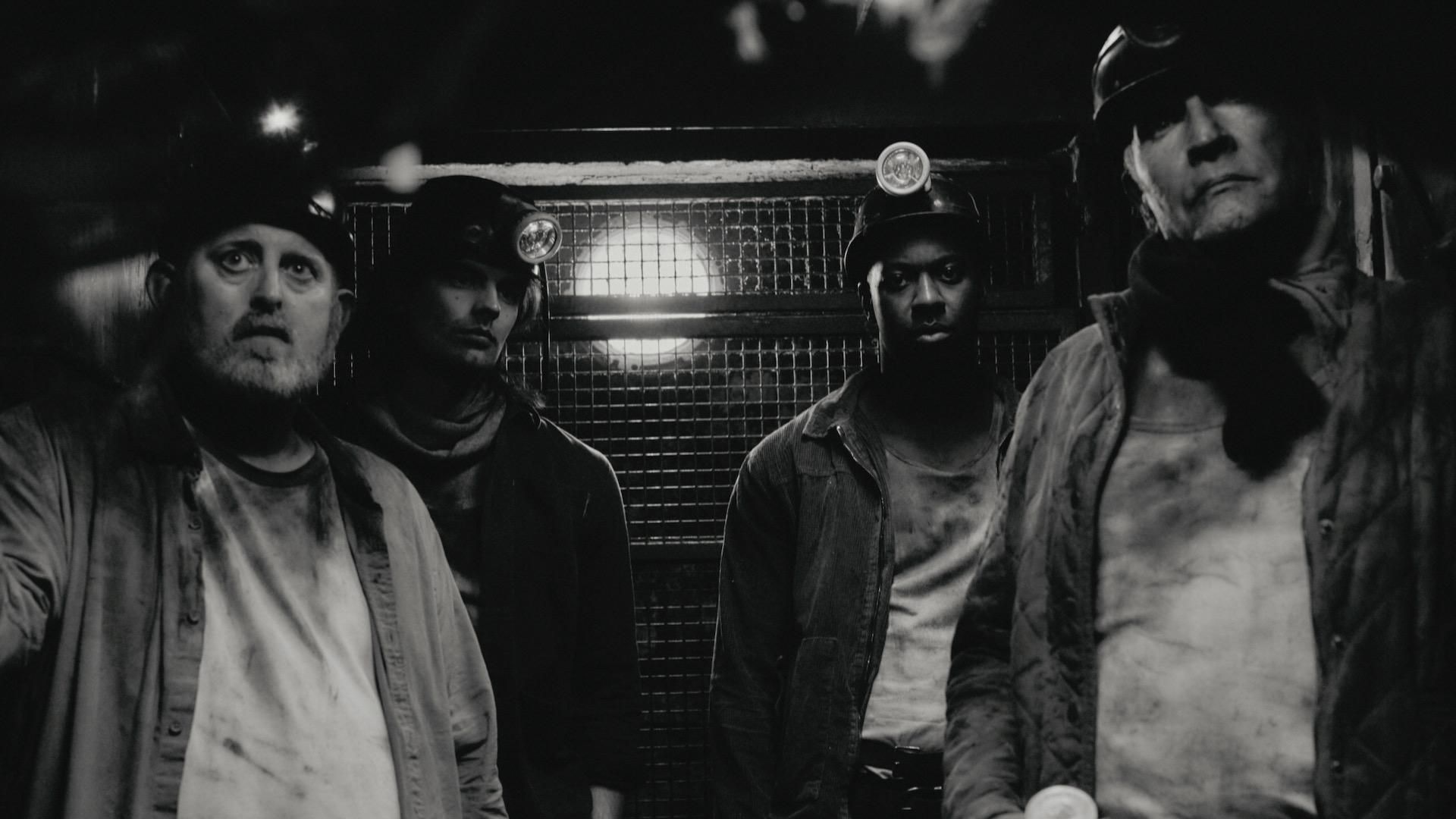
Director James William Mellors chose to shoot the film in a preserved mine, at the National Coal Mine. They even renovated a pit bath for the shower scenes, re-wiring the plumbing to create a wholly authentic atmosphere. The success of this is clear to see. The oppressive atmosphere of the mines is aided by the black and white edit, subduing the already charcoal environment. Every set is meticulous, with even the locker room narrow and claustrophobic. It’s rare to see such a convincing portrayal of a history.
The other reason why the film works so effectively is the script, written by Milly James. The director combines their impressive visuals with perfectly matched themes of racial prejudice during the early Windrush generation. Morris, played by Jorden Myrie, is a Caribbean man who suffers from the mindless persecution of his peers, including a sinister performance by Joel Morris (credited as “John”).
Whilst working extra shifts, Morris finds a friend in a young man named Clem, played by Noah Valentine. Clem and Morris strike up a friendship during a drinks break, where Morris refers to an immigration booklet designed to “help” the Windrush generation adapt to British culture. James deserves a lot of credit for combining the themes of racism, working class mining jobs, and the experiences of post second world war immigrants.
However, it did feel as though the script could have been longer. Some of the characters didn’t get as much attention as they deserved, but it’s a testament to the film that the intrigue lingers. All the leads performances are memorable, from Myrie’s stoic acceptance of his situation, to Valentine’s naïve and sincere outlook, to Joel Morris' terrifying racist rants.
Not since The Descent (2005) has there been such an effective use of darkness and claustrophobia to create a sense of foreboding. We’re all Black Down Here has the benefit of matching these triumphant visuals with strong themes which will no doubt resonate with audiences across the Midlands and wider UK.
★★★★½
4.5 / 5
Jacob Poole