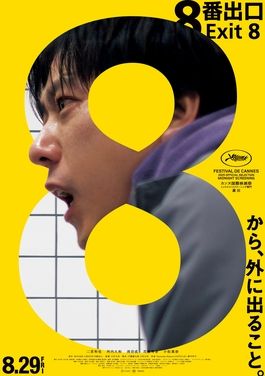

Review of Exit 8
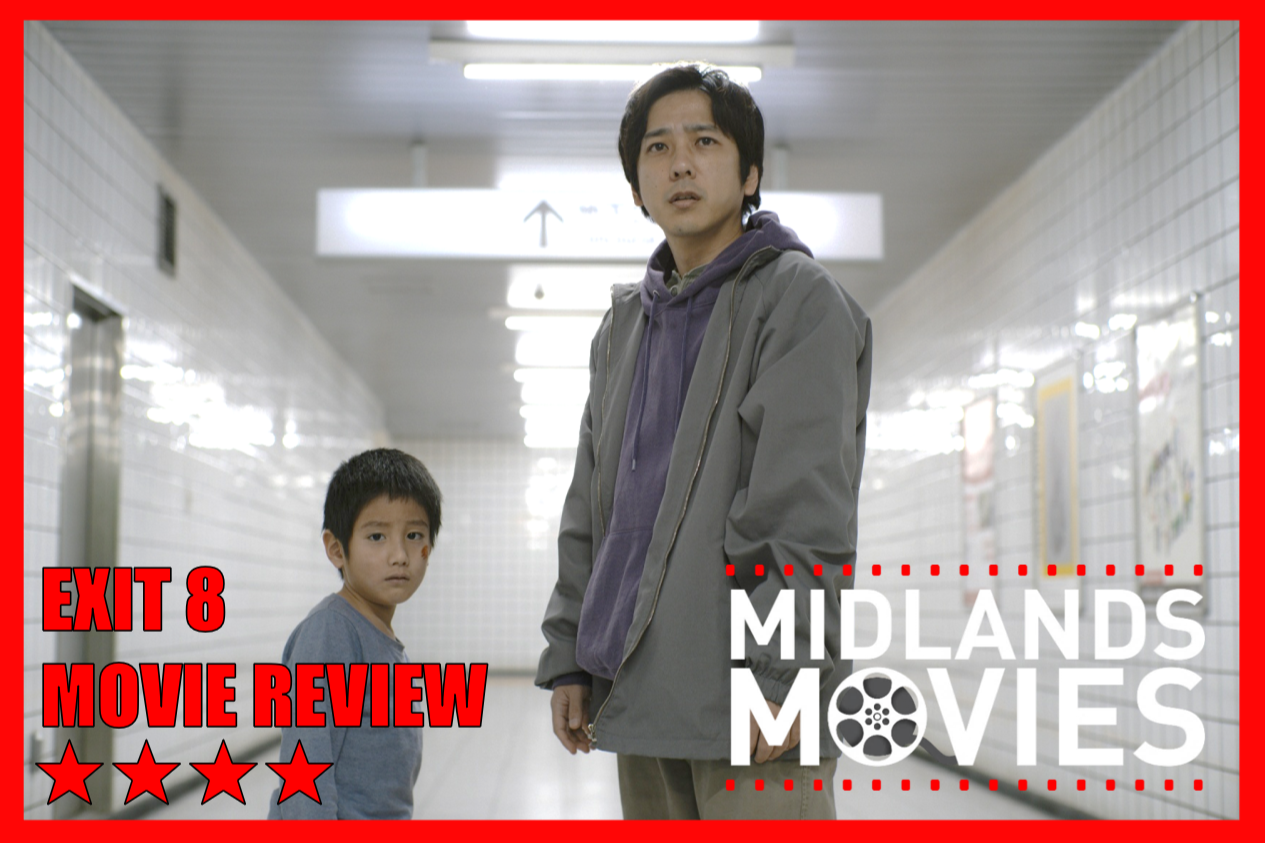
Exit 8 (2026) Dir. Genki Kawamura
Exit 8 is an incredible film adaptation that fully embodies the spirit of the Japanese indie horror genre.
As someone who has been a fan of indie horror games for over a decade, I was jumping for joy when I first saw the announcement that an indie horror game I really enjoyed was receiving a film adaptation. After viewing the film, I’m pleased to say that it did not disappoint. Exit 8, directed by Genki Kawamura, is a film adaptation of the 2023 indie horror game ‘The Exit 8’ developed and published by Kotake Create.
Set in modern-day Japan, Exit 8 follows an unidentified man plagued by a series of strange events as he navigates a seemingly endless subway tunnel in search of the exit. While the premise sounds simple, the narrative unveils a much more complex story lying just beneath the surface.
‘The Exit 8’ is successful in leaving the viewer questioning if what they are seeing and experiencing is real my perpetuating this continuous cycle of self-doubt and paranoia, making one question their understanding of reality. The film adaptation does an incredible job at replicating the feelings of tension and uncertainty that many players experienced while playing ‘The Exit 8’ game.
The film begins by breaking one of the most traditional aspects of filmmaking – it starts in first-person. From the very beginning, the viewer is transported into the eyes and ears of the main protagonist, only ever identified as ‘The Lost Man’. The first scene takes place in a crowded subway carriage, with the protagonist standing near the door listening to music. The viewer (who hears everything the same way the protagonist does) can hear a baby crying over the music. The protagonist looks over and witnesses a man standing over and yelling at a woman who is trying to shush her crying baby.
Despite a plethora of witnesses on the busy subway, nobody intervenes, including the main character. He gets off at his stop before taking a call from his ex-partner. She reveals that she’s pregnant, before asking a vague question that is repeated in the film a handful of times: “So which is it?”
Before the protagonist can respond, his signal cuts out once he reaches the main concourse of the station. As he traverses the empty corridor towards the exit, he soon realizes that he’s stuck in a loop and keeps going back to level 0, unable to progress to the next exit. After some trial and error, the protagonist soon realizes the rules of this loop: if you see an anomaly, turn around. If not, continue forward until you reach the exit.
As the loop begins, the camera shifts from first person to third person, allowing the viewer to see who the protagonist is, as well as his surroundings. The set is almost an identical reflection to that of the game which the film is based on, which is a crucial narrative element. As the film continues, the viewer, along with the protagonist, are searching this seemingly simple corridor for anomalies, hoping that you can reach exit 8.
As the plot continues, however, things become strange for our protagonist, who is faced with his guilt, morality, and fatherhood, all while trying to maintain his sanity. The only information that the viewer is given about who the characters are is by how they interact with their environment, which some may see as lacklustre character writing, however I see it as an intentional artistic choice that works for the nature of the story. The few characters present in the narrative are not given identities beyond vague titles. The characters include: The Lost Man (the protagonist), The Walking Man, The Boy, The High School Girl, and the protagonist’s ex-partner.
The cinematography remains dynamic for most of the film, making the viewer feel as though they are walking behind or standing in front of the individual on screen. I found that the camera motion at times was almost disorienting, reflecting the emotions of the protagonist as he tried to navigate this increasingly distressing situation.
Not only does the film’s ending leave room for speculation, but the majority of the film’s narrative remains unclear. The plot is only revealed by the actions happening on screen, with no internal dialogue to guide the story or present an understanding of any given character. In some ways, that’s what makes Exit 8 such a unique film. It breaks the film conventions we’ve grown accustomed to, and its sole purpose seems to be disorienting and confusing the viewer.
Given that the runtime is only 1 hour 35 minutes, the film could have incorporated more screen time towards character and narrative development, however I can also appreciate that it stayed true to the eerie ambiguity of its indie game predecessor.
★★★★
4 / 5
Angelique Ritter
www.instagram.com/_angiesjournal
Exit 8 is in UK and Ireland cinemas 24 April from Vertigo Releasing