
Fix it before post: 5 short filmmaking errors to avoid
Having seen thousands of short films in my time doing Midlands Movies, I am still surprised how ingenious and inventive local filmmakers are, even when resources are limited for these often low (or no) budget productions.
Across different genres and styles, filmmakers from all walks of life have consistently found creative ways to tell their individual stories from their local communities. But whether you’re an experienced veteran with access to funds, or a first-time student filming on your phone with friends, I have noticed some repeating tropes that unfortunately can hold back a promising project.
These are not a definitive list, and you can also clearly make a great film whilst still using any of the below, but in order to standout amongst the huge volume of films now being shared online, at festivals and in short-film competitions, you may want to at least take time to pause and consider how to approach these observations.
It’s subjective of course but there are also number of filmmaking areas to consider avoiding, which may help when planning your next short film...
1. Expanding beyond resources
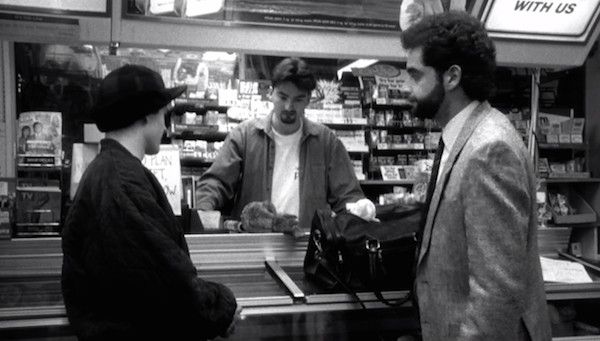
Filmmakers should definitely weigh up their planned story against what is available to create it. It sounds obvious but there are many risks of stretching beyond these. A 15-minute short with rushed shots, poor props/special effects and bad sound will bit more off-putting than a compact 3-minute film where time, care and attention has been focused on delivering all technical aspects to a high level. This is true in mainstream cinema too. Sci-fi movie Looper (2012) with Bruce Willis, has a time travel “effect” which is simply a jump cut saving a huge amount of time and resources on fancy special effects. No need to struggle with complex CGI to “zoom through history” - and from a local filmmaker perspective, your efforts may be served better elsewhere if you don’t know anyone who can do great VFX work anyways. Similarly, a feature film is ambitious and a huge achievement to complete. But again, a mountain to climb. A starting point could be making an anthology film - where different filmmakers create their own smaller part of the whole story. This can be an efficient way of breaking down the enormous task – plus you get the chance to work with a bigger team of film creatives too. Finally, another way to maximise resources can be seen in Kevin Smith’s debut film Clerks (1994) - a story about people in a convenience store. Simple, cheap and effective. (And shot in black and white). More importantly though, he had easy access to an interesting nearby location. Which leads me to…
2. Bland locations
As a website focusing on a particular region, geography and location is something we’re hugely interested in and when we’re in an area full of fantastic - and fascinating - places, it's a unique opportunity for up-and-coming filmmakers. Unlike Central London, the Midlands has a huge mix of varied places like inner city urban streets, historic countryside, forests, beaches (hello, Lincoln) and everything else in between. Choosing captivating settings for your story is an essential part of cinematic language. Whether it's a desert (Mad Max: Fury Road), rolling green hills (Lord of the Rings: The Fellowship of the Ring) or snow covered vistas (Fargo), movies captivate us by taking us to new and exciting (and often little seen) places. I know these are examples beyond most short-filmmakers ends, but remind yourself this: if you’ve only got access to a house, make it an interesting one. I know filmmakers may want to film a gritty family drama in a household, but short film programmers can only see so many British living rooms and kitchens. Filming in your Gran’s house? Boring. Remember, show don’t tell. And show us a new place if possible too. Get those characters out and about for their chats and conversations. These can take place almost anywhere so why not go someplace different. Struggling with shooting permits for specific locations is of course a nightmare of administration, but can also pay dividends. For UK film location regulations, check out this guide from the British Film Commission. Alternatively, there are many ways to liven up standard locations with creative blocking, shot choices and editing. Speaking of which…
3. Slow editing
There’s no right or wrong way to edit. It’s definitely more of a feeling when trying to find the precise pace of your story. You are seeking to discover the most appropriate way to tell your story in the best possible way you can. BUT. There’s no getting around this, shorts are short. You literally have less time to tell your story. So it’s worth considering not getting bogged down in long, drawn out, Scorsese/Kubrick ‘oners’ which take up 40% of your runtime. That said, there may be times when that may be the exact way to tell your story. However, erring on the side of averages, shot lengths will be more brief and editing generally faster. Compare your short to adverts. Stick with me here. Back in 2015 shop chain John Lewis created an advert for insurance where a little girl dances around her home endangering many household items as she goes. If you watch the advert here, you’ll see it has a central character, a strong music score (Elton John’s Tiny Dancer) and even a three act structure – a dancing setup, a tense mid-point of potential disasters and a (mostly) comforting resolution. There are roughly 42 shots in 90 seconds averaging around 2 seconds per shot. “Oh but this advert is only just over a minute long, Michael”. Well, the Marvel superhero film average is not much more than that at 3 to 4 seconds. An interesting article explores this issue here and although there are arguments on both sides, I can’t help feeling that for a short, quicker cutting should be the standard rather than the exception. P.S. Add your credits/thanks at the end too!
4. Boring blocking
Your story will get played out in character moments. Through dialogue, speech or even silent glances, your conflicted relationships and narrative beats will be undertaken by multiple characters. Their motivations and wants and needs come out through these interactions. Yet far too often, even when the dialogue is Pulitzer-prize winning, delivering this in two separate close-ups and one wider coverage shot is extremely unimaginative. This is especially important when providing exposition. Two people on opposite sides of a table may be a solid starting point. But as details come out, characters can change position around the room, interact with props – or each other – and the camera may follow one or someone may leave and return. Keep it interesting, get your cast out of their chairs. Get them moving! George Lucas’ infamous lazy style on the Star Wars prequels meant that the overuse of the head and shoulder shot-reverse-shot made it an incredibly dull viewing experience. The boring-*ss trade route chats taking place on various couches didn’t help either to be fair. Heck, even the trailer is full of such shots!
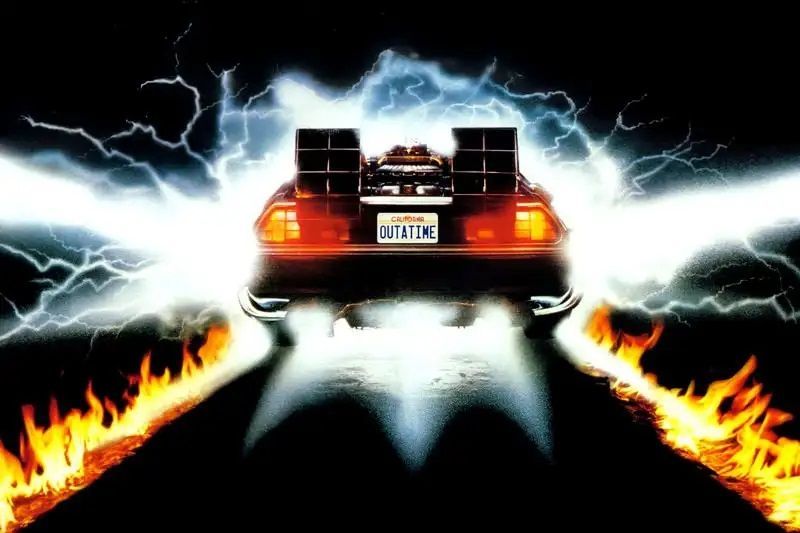
A good example of blocking comes from the intro to Jules and Vincent in Pulp Fiction (1994). This sees the two gangsters simply gossiping about burgers and foot massages but visually this is done from car, to building, to lift, to corridor, to stairwell. Keeping things literally moving and your eye engaged on both the characters and the vibe of the various locations. These techniques will get you off on the right foot. (Er, sounds like Tarantino’s fetish). Oh, another brilliant blocking example is the discussion between Marty and Doc Brown in Back to the Future here. And whilst on the subject, find out more about Back to the Future’s great techniques for short filmmakers in our article here.
Last but not least is…
5. Unprofessional sound
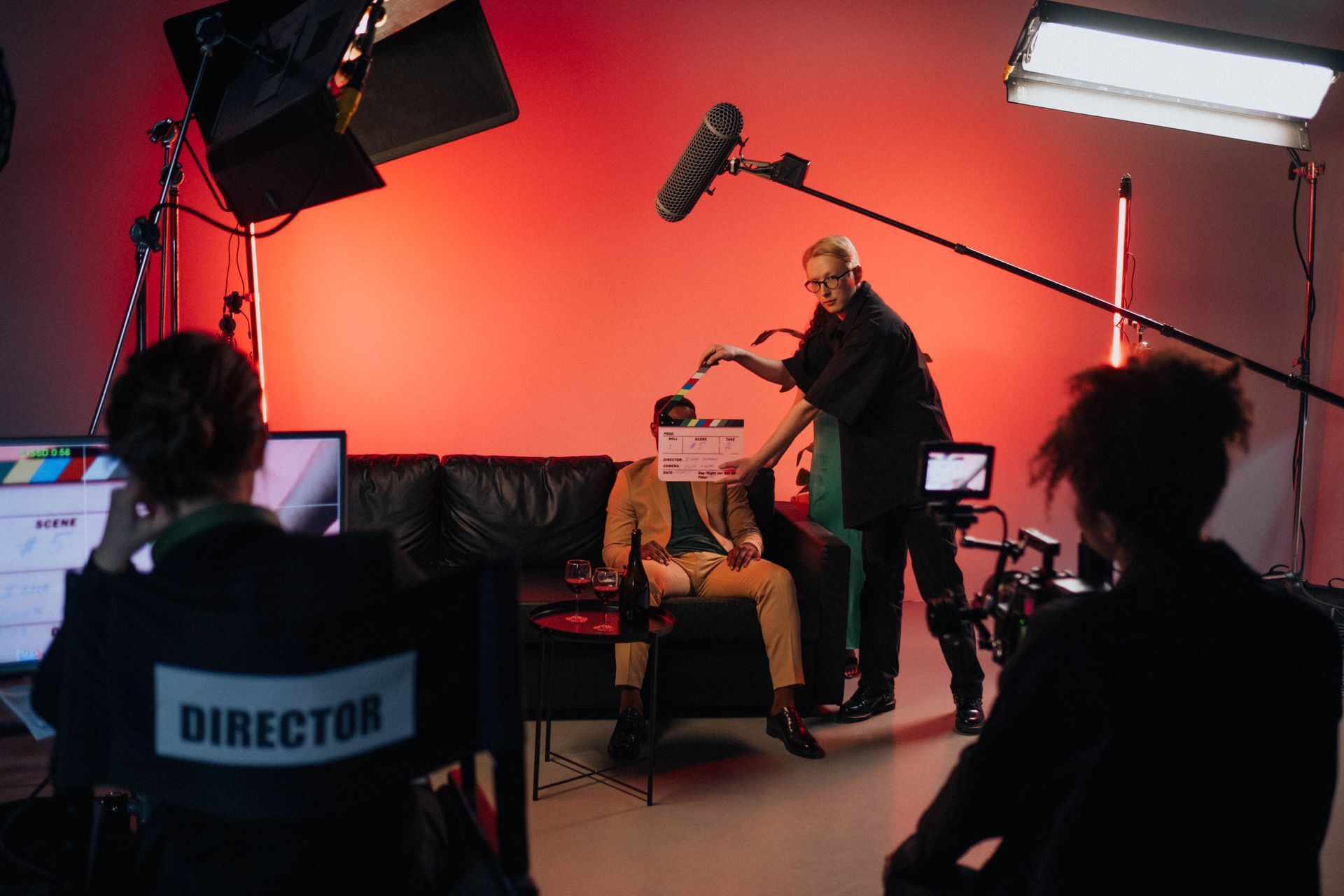
Film is a visual medium but it’s sound that is most noticeable when not working well. Sound is so important that I swear that if you get scared by horror movies, put your fingers in your ears instead of your hands over your eyes. You’ll be surprised how much the sound creates the mood, atmosphere and tension. Sound basics include a boom mic for capturing dialogue – heck a mobile phone attached to a broom will do. Or invest in £20 Amazon Lavalier mics which will Bluetooth the audio to your mobile. Write around any story plot points that are set in loud locations and do be mindful to avoid traffic, crowds and even just windy weather. Use a clapper board to synchronize audio with visuals and get that all-important room tone. And beware bad Automated Dialogue Replacement (ADR). Most blockbusters do this by re-recording all dialogue in a studio as clean as possible but done badly, it can be as off-putting as poorly recorded sound from the original shoot. And set aside PLENTY of time in the editing suite. Modern editing software (including Free versions which won’t break the bank) have apps, plug-ins and tools that can do everything from removing hiss and background noise to providing stock sound effects (free at BBC here) and royalty-free music can add to the tone. Alternatively, having played in many bands over the last 20 years, it’s great when local filmmakers team up with local musicians and artists to include music that is both relevant and supportive of fellow creatives.
And that’s that. You may disagree with some of these or think they are obvious and simple strategies that no one will overlook. But in the stressful world of indie filmmaking, especially if you're a newcomer, some things can be easily forgotten and by at least considering the relevance of these to your projects, it may help focus your thinking of where best to spend your efforts. Happy filmmaking and as always, we really can’t wait to see what you make next!
Michael Sales